Automated warehouses

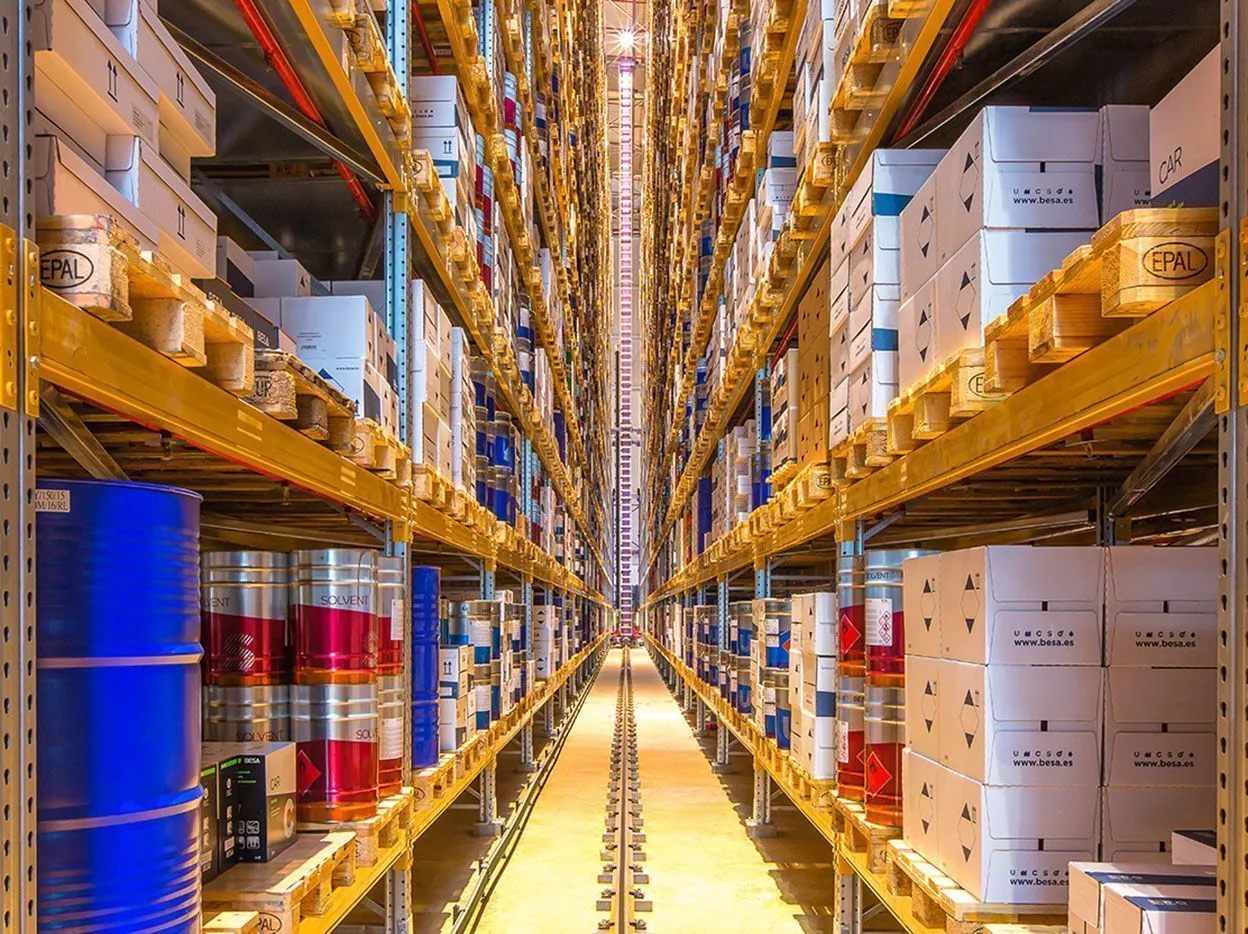
An automated warehouse, also known as an AS/RS (Automated Storage and Retrieval System), is a facility designed to manage the storage, positioning, and retrieval of goods using robotic equipment.

These systems operate without the need for operators to enter the aisles, as the automated equipment itself performs all load-handling movements, ensuring speed, accuracy, and safety.

Their main objective is to optimize the use of space and time, improving overall warehouse efficiency while ensuring full inventory control.

Benefits of an automated warehouse

Implementing an automated storage system transforms the overall efficiency of the supply chain. Its main benefits include:

1. Higher storage capacity in less space

The vertical design and reduced operating aisles allow more products to be stored within the same footprint compared to manual systems.

2. Reliability and operational safety

Robotic equipment reduces human error and minimizes workplace risks, as operators do not need to enter storage areas.

3. Order fulfilment efficiency

Automated picking accelerates order preparation and dispatch processes, improving delivery times and customer satisfaction. In addition, automated systems can operate 24/7, ensuring a continuous flow of inbound and outbound goods.

4. Complete inventory control

Automated systems integrated with WMS (Warehouse Management System) and WCS (Warehouse Control System) software provide real-time inventory visibility, improving traceability and reducing the risk of stockouts.

5. Long-term cost savings

Although the initial investment may be significant, automation reduces labour costs, operational errors, and space requirements. This results in a tangible and sustainable return on investment.

Types of automated warehouses

Different automation solutions are available depending on the type of load being stored:

Automated pallet warehouses

Designed for handling palletized loads using stacker cranes and shuttle systems, ideal for high-volume and heavy products. They operate with either conventional pallet racking or compact storage systems.

Automated box warehouses

Miniload systems specialized in the management of loads stored in boxes or containers, ideal for operations with high SKUs turnover.

Structural design

Automation can be implemented both in warehouses housed within existing industrial buildings and in clad-rack warehouses. The choice between the two determines key factors such as maximum height, project lead time, and land utilization.

Automation in an existing building

The system is installed within an existing industrial facility, making use of the available infrastructure. This is the most cost-effective option when a suitable building with adequate height and structural capacity is already available.

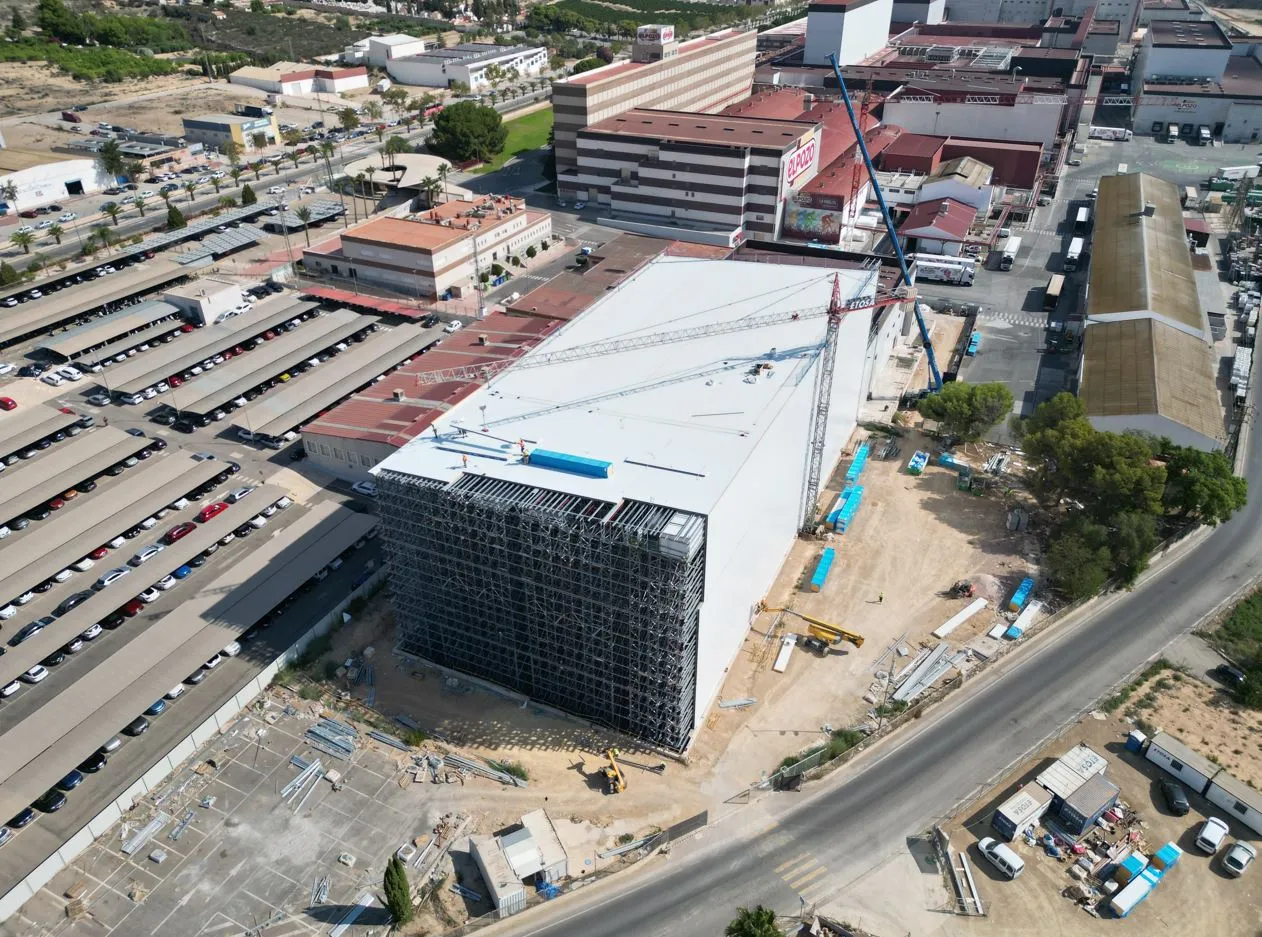
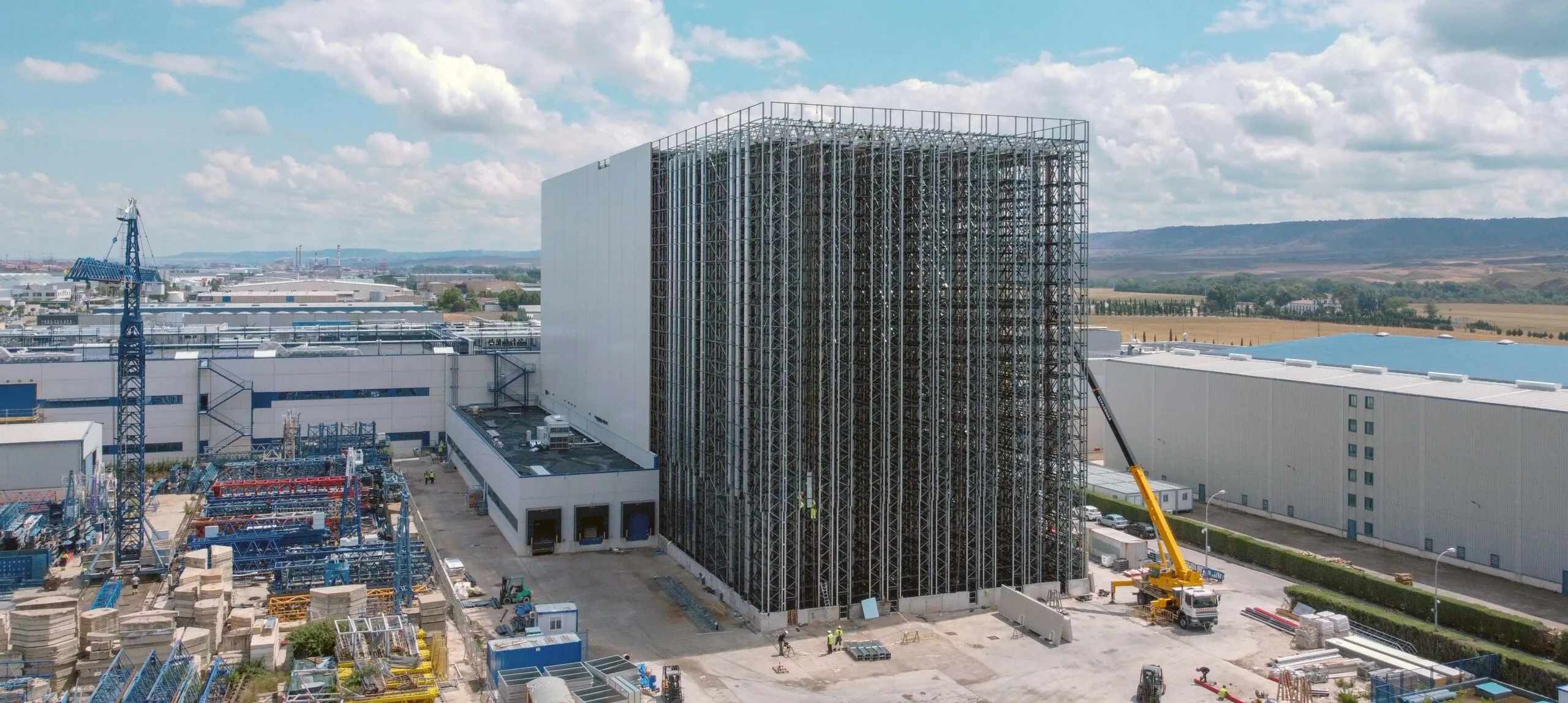
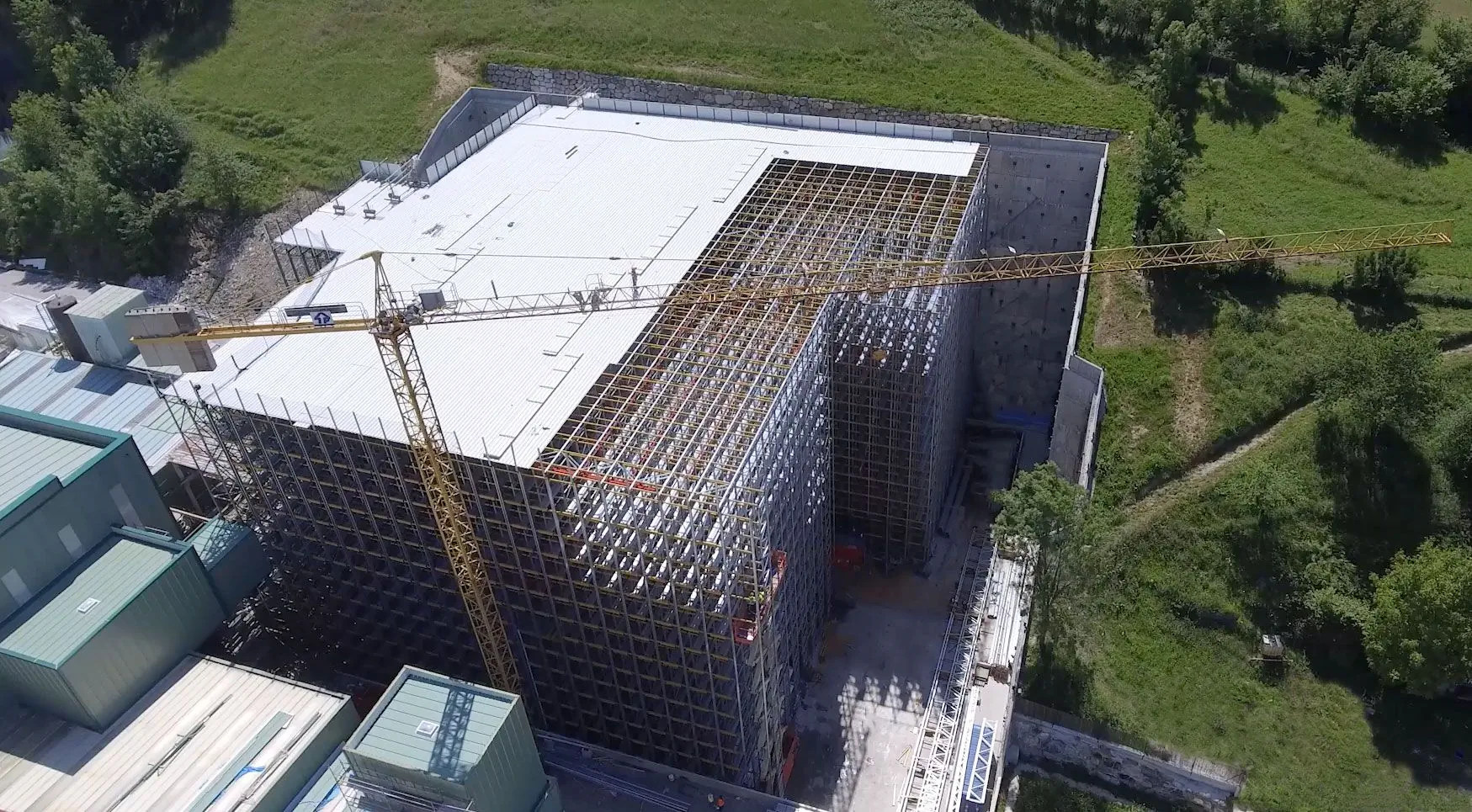
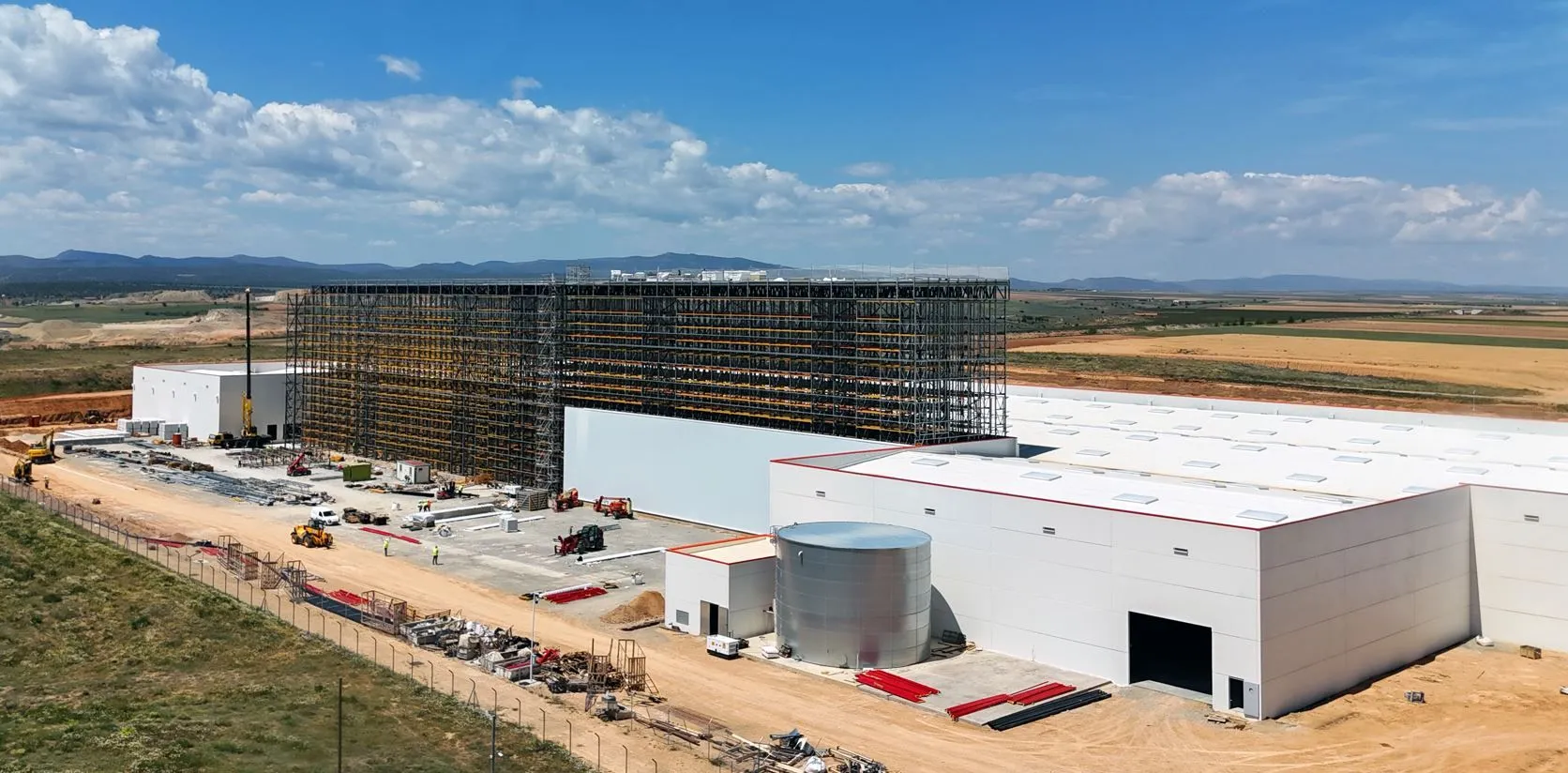
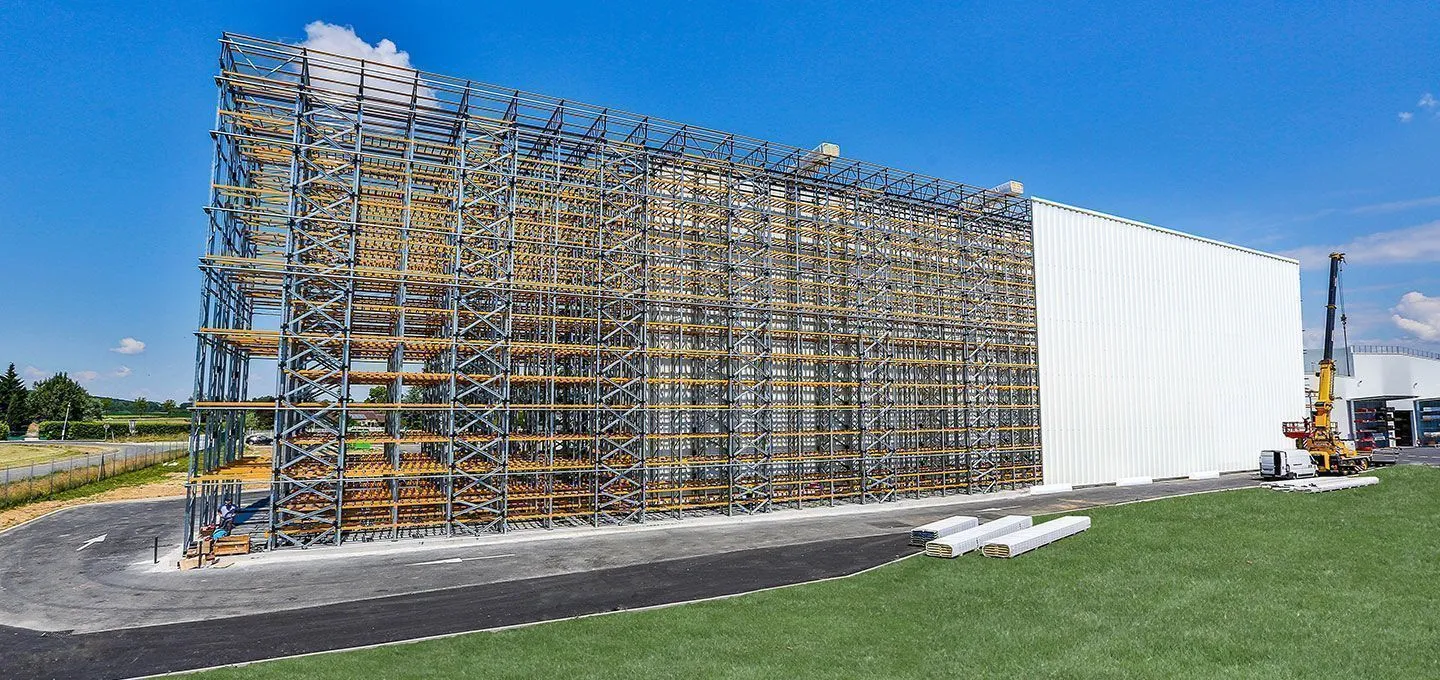
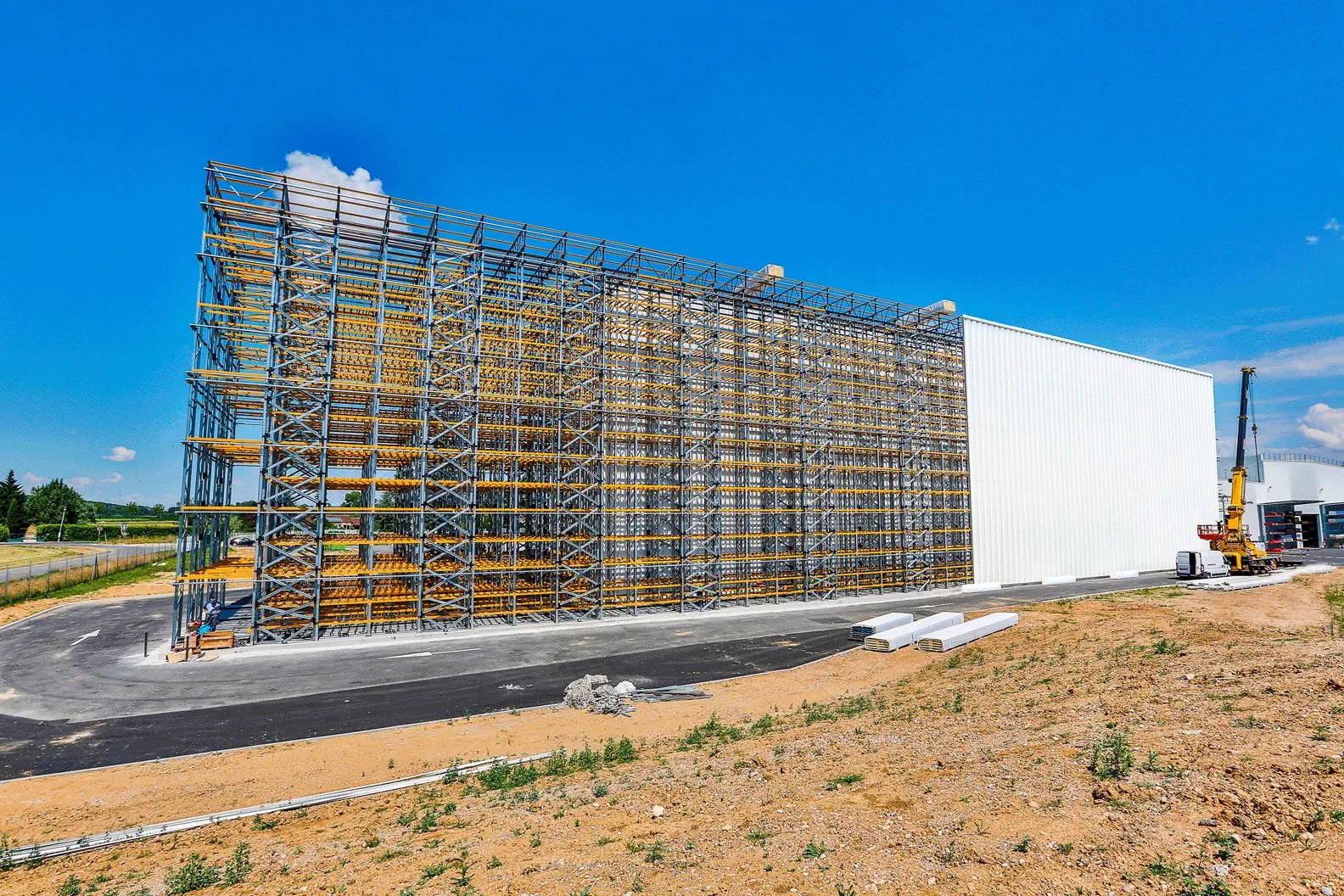
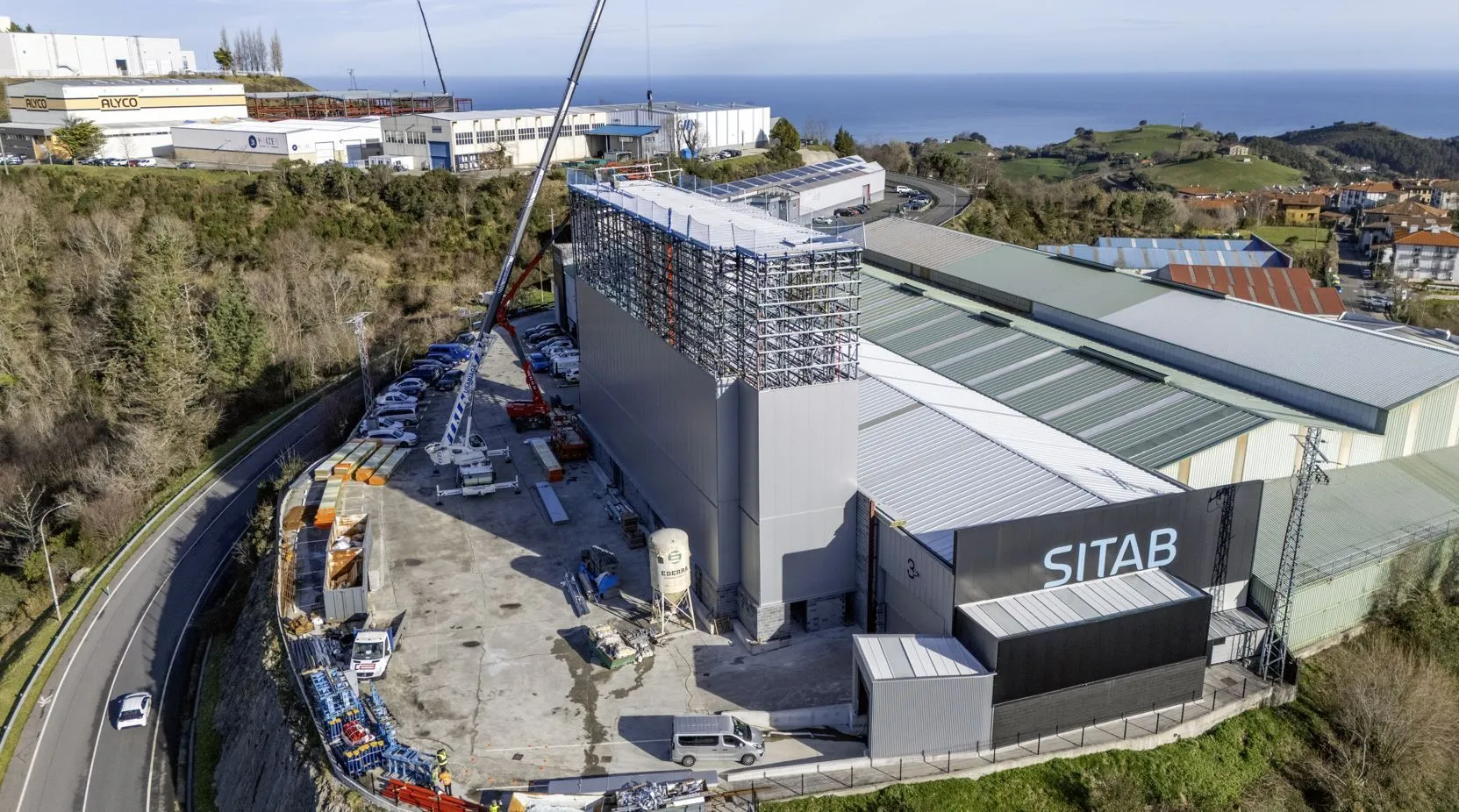
Clad-rack warehouse automation

The racking structure itself forms the building, eliminating the need for traditional walls and columns. This solution maximizes height, storage capacity, and operational flow, making it the most efficient option when land is limited or maximum storage density is required. Both configurations provide efficiency, accuracy, and scalability. The choice depends on the available space, budget, and future growth projections.
Related projects

When should you choose an automated warehouse?

An automated warehouse is the right solution when your company faces one or more of the following situations:

Limited space with high storage requirements

If you need to maximize storage capacity without the possibility of expanding the facility footprint, vertical automation is the answer.

High daily throughput

When operations require faster workflows and increased inbound and outbound volumes that manual handling cannot efficiently achieve.

Need for 24/7 operations

When your business requires continuous operation without the limitations of shifts or workforce availability.

Do you have an automation project underway?

Our engineering team works with you and your systems integrator right from the start.

Storage systems for palletized loads

POLYPAL offers a range of solutions selected according to factors such as product type, turnover, stock volume and forklift type:

Estanterias-transelevador

Automatic warehouses for palletized goods

Estanterias-transelevador

Automatic warehouses for boxed goods

Almacen-Autoportante

Clad rack warehouses

Metal racking systems designed for automation

The efficiency of an automated warehouse depends on the perfect integration between the robotic equipment and the structure on which it operates.

At POLYPAL, we manufacture the racking systems that make automation possible. We are the structural partner of leading AS/RS integrators, ensuring that miniload systems, stacker cranes, and shuttles operate with maximum accuracy, safety, and performance.

This collaboration with system integrators provides tangible benefits for every project:

  • Extensive technical expertise in high-bay and high-density automated warehouse structures.
  • Tailor-made solutions adapted to the technical requirements of each integrator and operation.
  • Improved overall performance through seamless compatibility between the racking structure and the automated system.

Tailor-made solution

If you’re not sure which storage solution best suits your needs, please get in touch with us.

We’ll help you set up your project.

Frequently Asked Questions

Can an existing warehouse be automated?

Yes, as long as the building has the required height, structural capacity, and available space. A preliminary technical feasibility study is carried out to confirm whether the existing infrastructure is compatible with the automated system.

The timeline depends on the project complexity. From design to commissioning, installation typically takes between 9 and 18 months.

Yes. Phased automation is common: start with high-turnover products in an automated system and keep the rest manual. This approach allows you to validate the system, train your team progressively, and spread the investment over time.

Absolutely. The warehouse can be designed to allow future expansions in height, length, or number of aisles, adapting to business growth without requiring a full redesign of the installation.

Scroll to Top

Privacy Summary

This website uses cookies in order to offer you a more personalized navigation experience. For more information about the cookies we use, please see the strictly necessary cookies, third party cookies and additional cookies sections on the left menu.

Contact us