Push back racking
- Last in, first out (LIFO system)
- Eliminate intermediate aisles and increase capacity
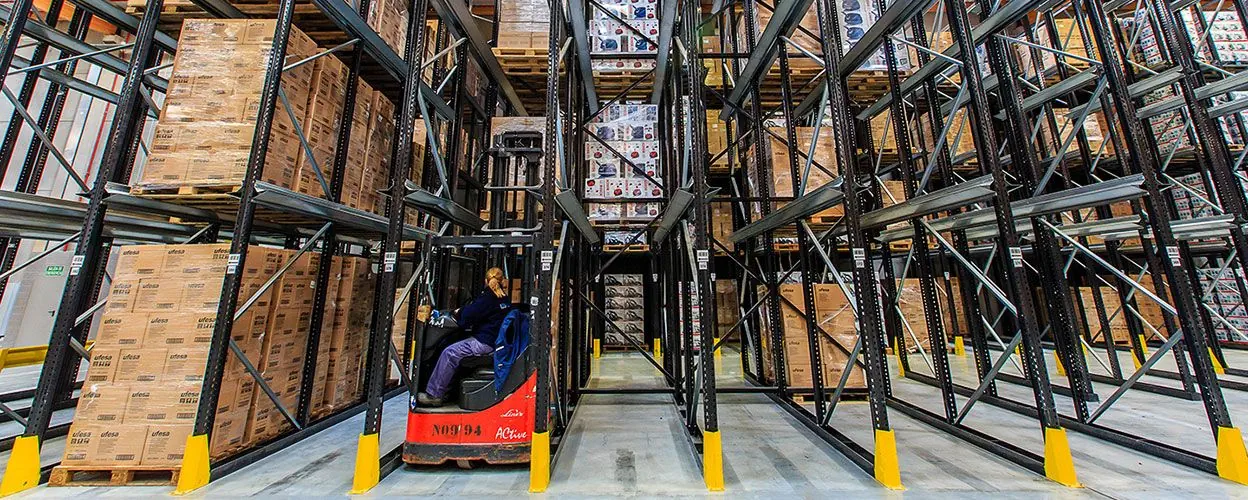
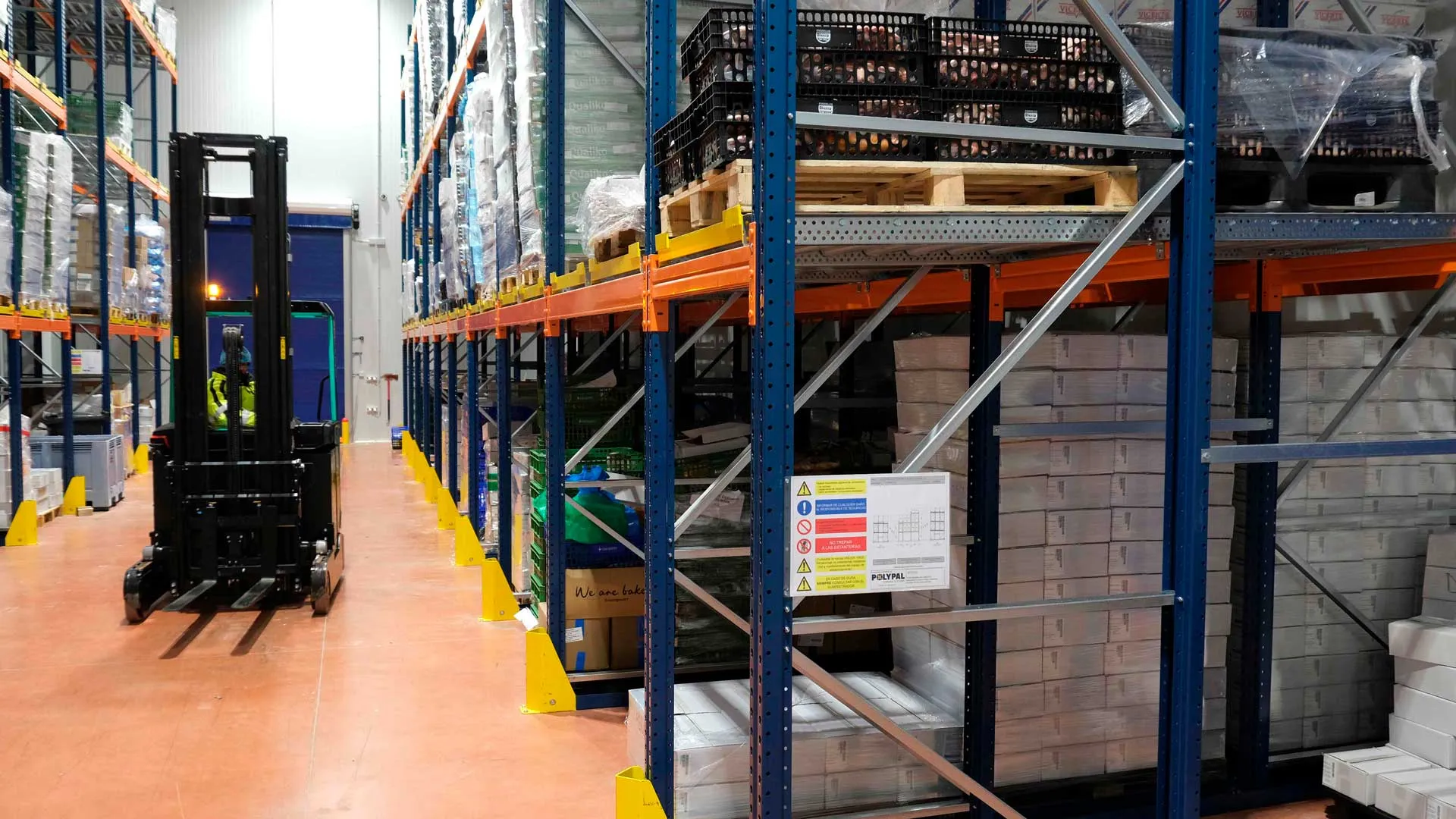
- A single front aisle: fewer forklift crossings
- Ideal when the expiry date is not critical


Push Back racking is a compact dynamic storage system that operates on the LIFO (Last In – First Out) principle. Unlike FIFO (First In – First Out) systems, both loading and unloading take place from the same aisle.
This system is designed for non-perishable products where the priority is storage density, not chronological stock rotation. In this case, the last batches manufactured or purchased are the first to leave the warehouse. The newest pallet has priority for removal over the others.
How the push back lifo system works
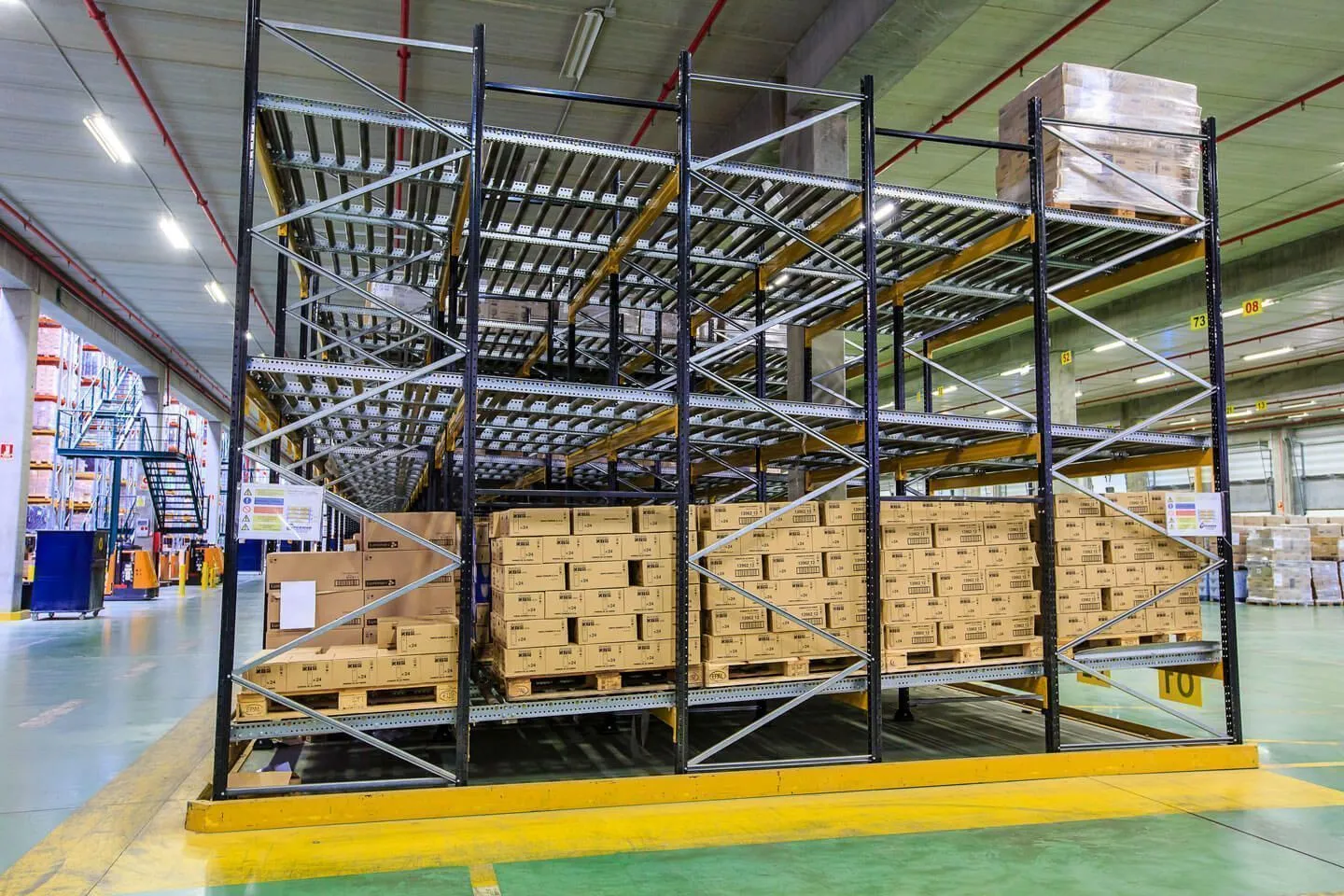
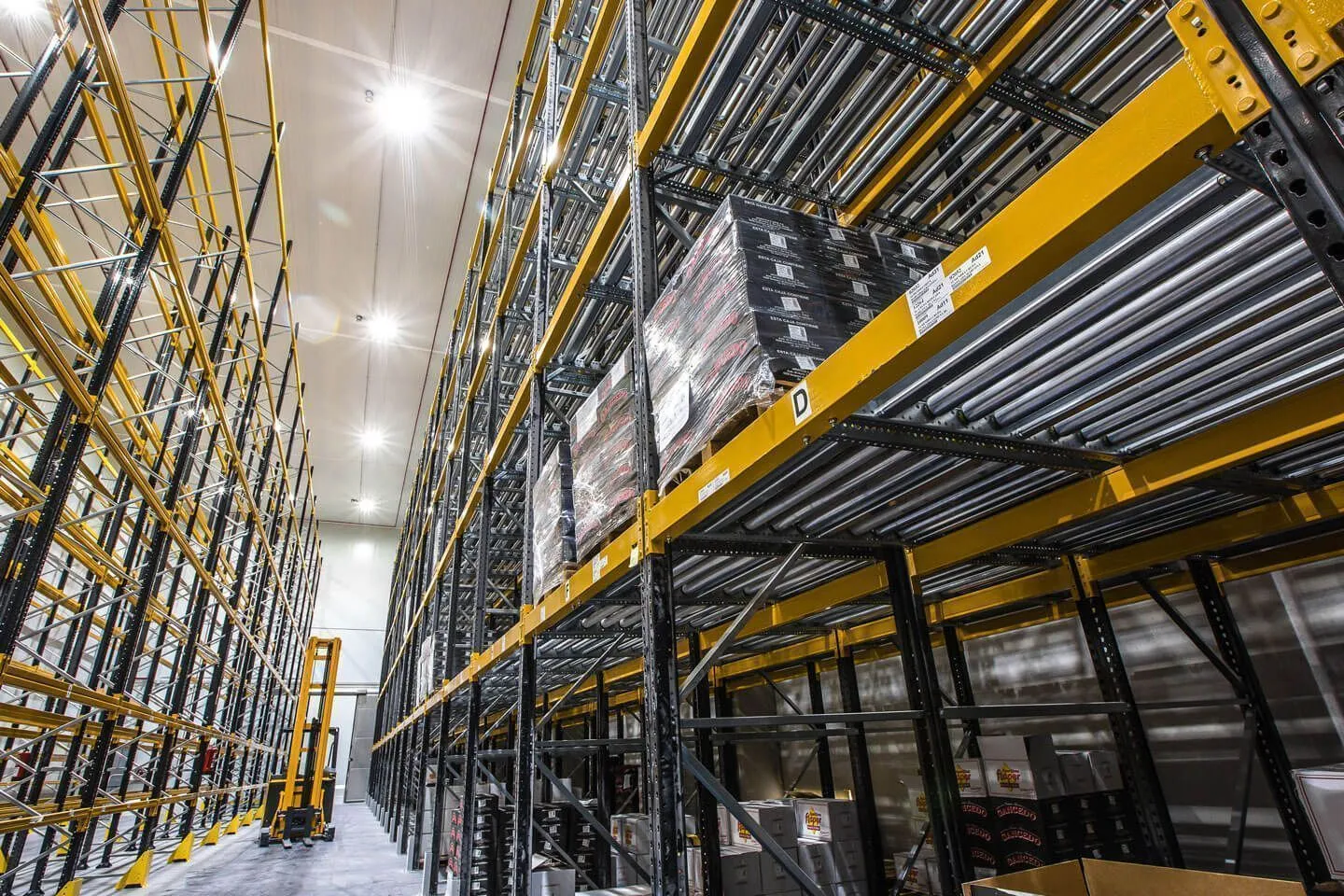
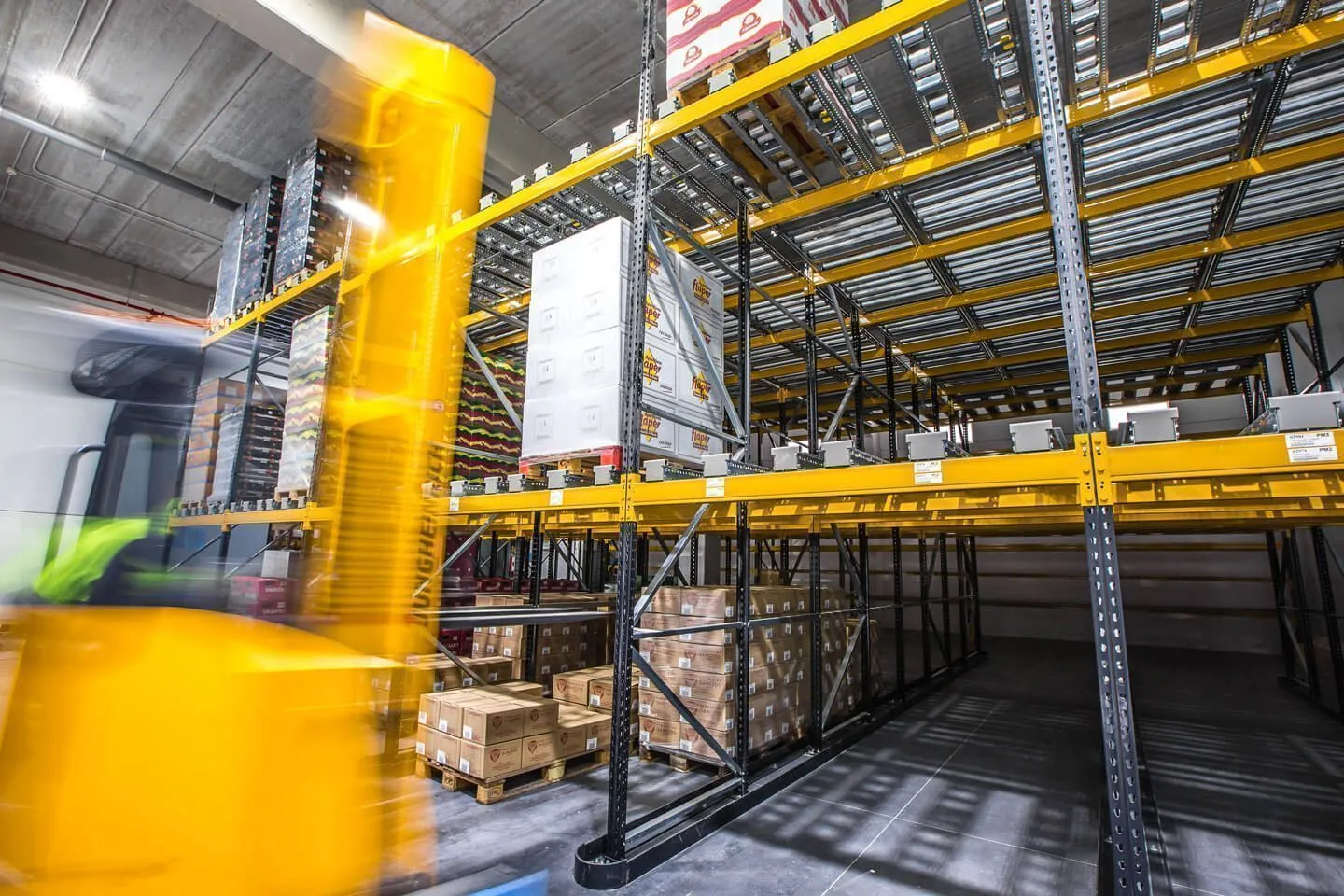
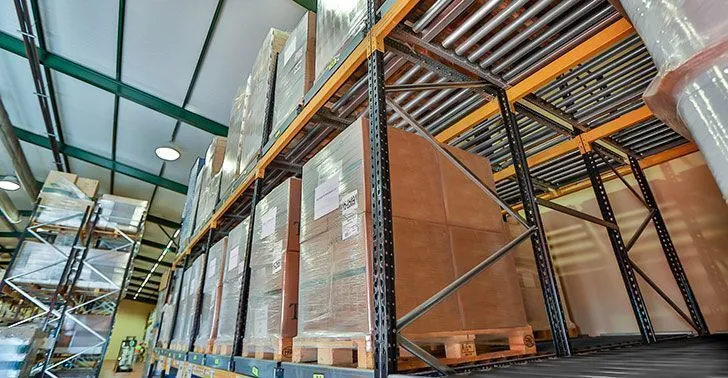
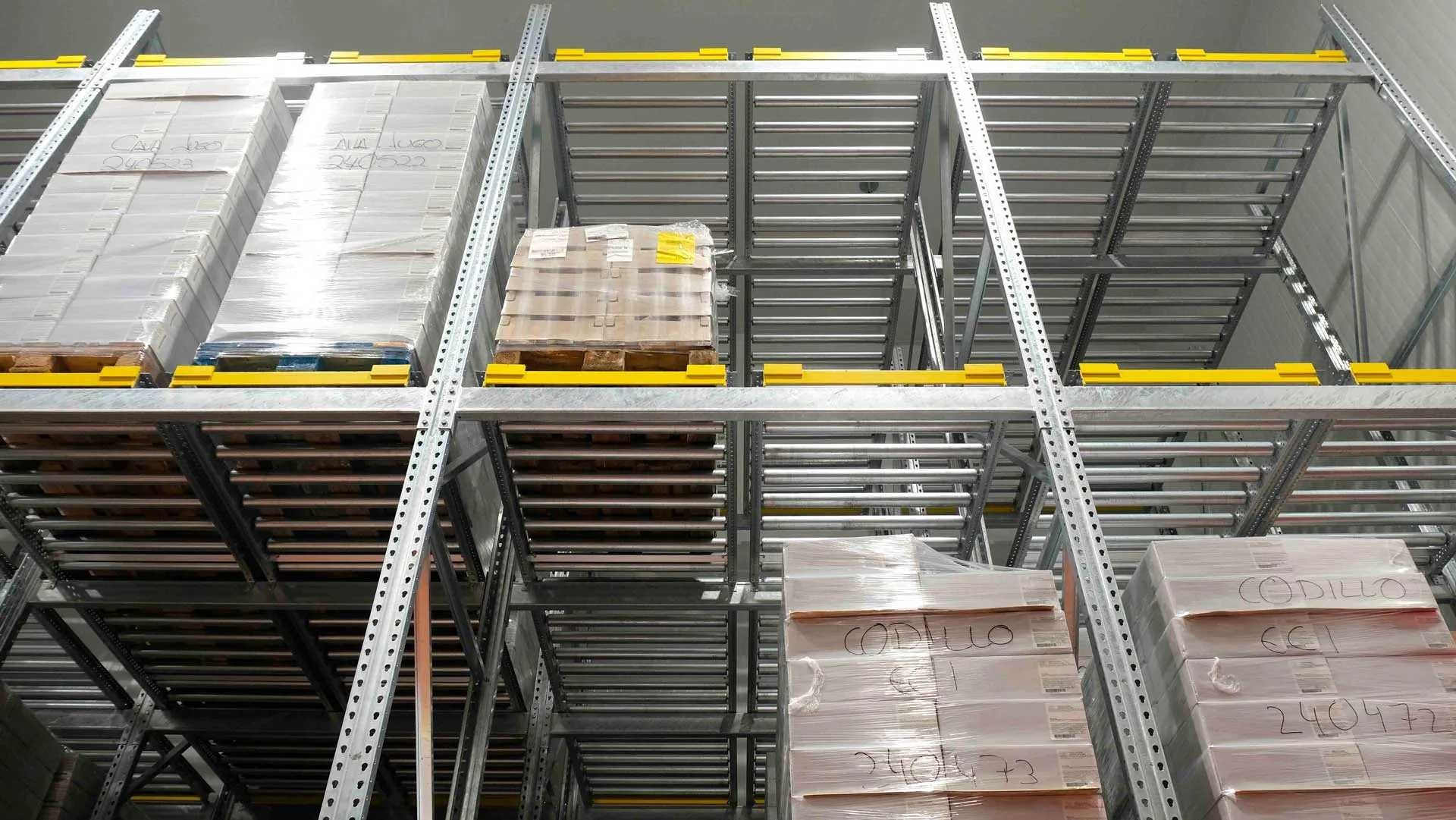
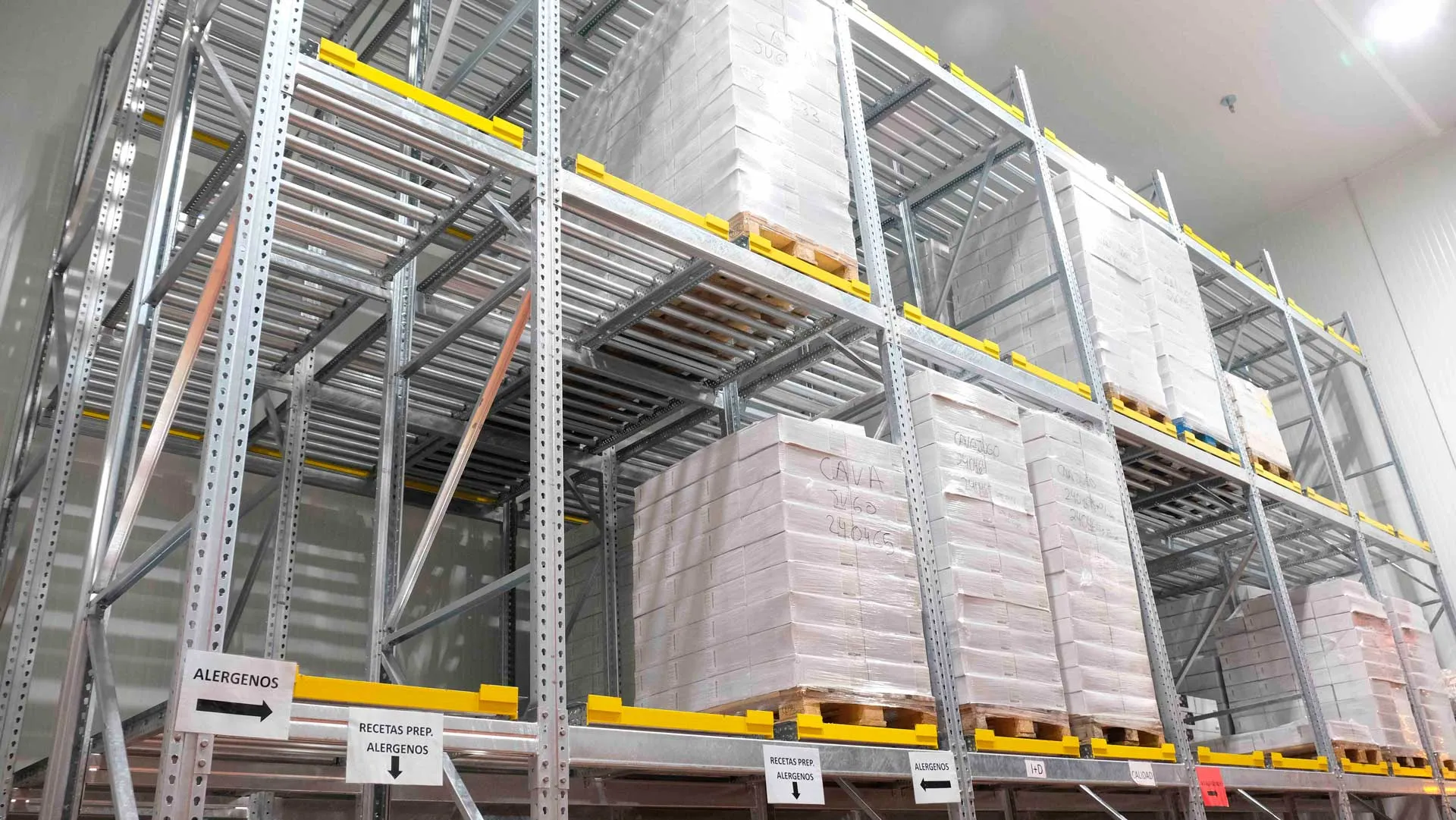
Push Back racking incorporates roller tracks with a slight incline within a compact block structure. Loading and unloading are always performed from the front, from a single operational aisle.
When a new pallet is introduced into the channel, it pushes the pallet already located further into the racking. This process repeats until the channel is full. When a pallet is removed, the inner pallets automatically advance forward by gravity, ready for extraction.
The result is that the last pallet entering is always the first to leave, and the operator always works from the same aisle without needing to access the interior of the racking.
Technical Inspections
POLYPAL offers a technical inspection service for warehouses with pallet racking.
Advantages of push back lifo racking
Higher operational safety
By concentrating all operations in a single front aisle, cross-traffic of forklifts is eliminated, reducing the risk of accidents in the warehouse.
Higher storage capacity
The compact block structure eliminates intermediate aisles, allowing significantly more pallets to be stored in the same area compared with conventional racking.
Do you want to increase your warehouse capacity?
Our engineering team analyses your operation and designs the most suitable Push Back LIFO system for your warehouse.
When to choosing push back lifo racking?
Push Back LIFO racking is the ideal solution when your operation presents one or more of the following scenarios:
- Non-perishable products where chronological stock rotation is not a critical requirement.
- High number of pallets per SKU.
- Need to reduce the number of aisles to increase total warehouse capacity.
Security features
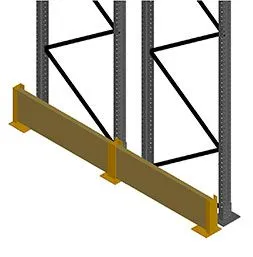
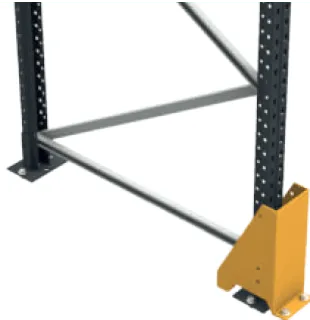
Block side protection with mesh
Block side protection with plank
Tailor-made solution
If you’re not sure which storage solution best suits your needs, please get in touch with us.
We’ll help you set up your project.
Frequently Asked Questions
What is the difference between Push Back LIFO and Drive-in?
Both are compact systems with loading and unloading from the same aisle, but in Drive-in the forklift physically enters the interior of the racking to place the pallet. In Push Back LIFO, the forklift always operates from the front, pushing the pallets inward without needing to access the channel. This makes Push Back safer and more agile operationally.
Why is it called Push Back?
The name refers to the loading mechanism: each new pallet introduced pushes the pallets already located in the channel backward, advancing to the available depth.
Does the system require power to operate?
No. The forward movement of pallets when unloading occurs exclusively by gravity, with no motorized elements and no electrical consumption.
How many pallets deep does the system support?
The channel depth is defined during the design phase based on available space and the number of pallets per SKU. It is common to work with channels of 2 to 6 pallets deep.
Can it be used with any type of pallet?
The system is sized according to the type and dimensions of the pallet to be used. It is important to define the pallet format from the start of the project to ensure the correct operation of the push-and-slide mechanism.
Is it compatible with other storage systems?
Yes. It is common to combine Push Back racking with conventional racking within the same installation, reserving the compact system for high-volume SKUs or areas where space is more limited.